
Course
Hifz with Tajweed Course
Memorising the Quran properly means memorising it correctly the first time. Every new portion is read with Tajweed applied before you commit it to memory, so you never have to unlearn a mistake years later.
Overview
A memorisation plan built to last, not to rush
There is a difference between memorising the Quran and keeping it. Plenty of students reach the end of the mushaf and find that the first ten juz have quietly faded. That happens when revision is treated as an afterthought rather than as the larger half of the work. Our Hifz course is built around the three-part daily routine — sabaq, sabqi and manzil — that has kept Hifz stable for centuries.
Sabaq is the new portion. Before you memorise a single line, your teacher reads it with you and corrects the Tajweed, because a mistake memorised is a mistake repeated thousands of times. Sabqi is the recent portion from the last few days and weeks, revised until it settles. Manzil is everything completed so far, on a rotating cycle so that no juz goes more than a set number of days without being heard.
The pace is set by revision, not ambition. We usually begin with half a page a day and only increase when the revision is holding. A student memorising a page a day while their older juz weaken is going backwards, however impressive the daily total looks on paper. Your teacher will tell you plainly when the pace needs to slow.
Classes are one-to-one with a certified Hafiz. Every session, you recite to your teacher and every error is caught the same day. Parents receive a weekly summary showing what was memorised, what was revised, and which portions need extra attention. For students who want to continue toward Ijazah after completion, we guide the next steps.
Who it's for
Is this the right course for you?
-
1
Children beginning Hifz
Students aged seven and up who read Nazra fluently and are ready to start memorising with a proper daily routine from the beginning.
-
2
Students already partway through
If you have memorised some juz elsewhere, your teacher tests what you have, repairs the weak portions, and continues from there rather than restarting.
-
3
Working adults
Adults memorising alongside work or study. The pace is slower but the routine is the same, and evening and early morning slots are available in every time zone.
Outcomes
What you will achieve
Every student is assessed in the first class and placed at the right starting point, so nobody repeats what they already know.
- Memorise new portions with correct Tajweed from the start
- Follow a daily sabaq, sabqi and manzil routine
- Retain earlier juz through structured revision
- Recite long portions confidently without prompting
- Track progress with monthly formal assessment
- Complete the Quran with a plan for keeping it
Curriculum
How the course is structured
The routine stays the same every day. What changes is how much you carry, and that increases only when revision can support it.
-
1
Tajweed foundation
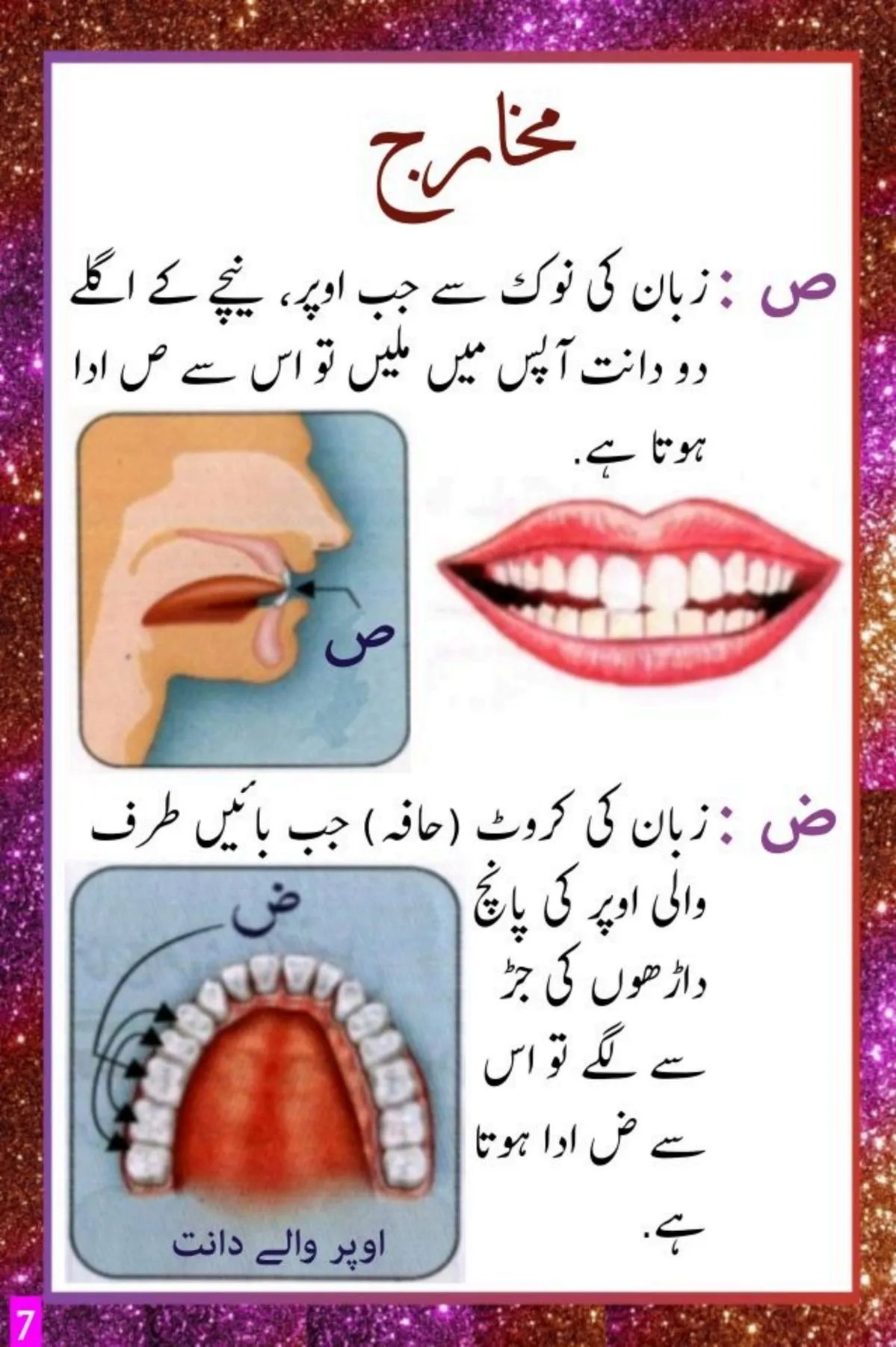
Before memorisation begins, we make sure the rules you will apply thousands of times are correct — makharij, madd, ghunnah, and the rules of noon and meem sakinah.
-
2
Daily sabaq
The new portion. Read with the teacher first, corrected, then memorised and recited back the same or next day.
-
3
Sabqi
The portion from the last few weeks, recited daily until it moves from fragile to secure. This is where most retention is won or lost.
-
4
Manzil
Long-term revision of everything completed, on a rotating cycle so every juz is heard regularly rather than only the recent ones.
-
5
Monthly assessment
A formal test of a randomly selected portion, which shows honestly whether the pace is sustainable or needs adjusting.
-
6
Completion and beyond
A full end-to-end revision before finishing, then a maintenance plan so the Quran stays with you afterwards.
Inside a lesson
What a class
looks like
The three-part routine is the whole method. Everything else is built around protecting it.
-
1
Manzil
Reciting a portion from the long-term revision cycle.
-
2
Sabqi
The recent portion, recited from memory and corrected.
-
3
New sabaq
Reading tomorrow's portion with the teacher, with Tajweed applied before memorising.
-
4
Notes and targets
Logging progress and setting the target for the next class.
Before you start
What you need
-
Fluent Nazra reading — you should be able to read any page unaided
-
A commitment to daily practice outside class, not only in it
-
A quiet place to recite without interruption
-
A device with a camera and a stable internet connection
Students
From students on this course
-
❝
The manzil cycle was the missing piece. I had memorised twelve juz before and lost most of it. This time it is actually staying.
Muhammad B. Canada
-
❝
My daughter's teacher slowed her down when her revision started slipping. I appreciated the honesty more than fast progress.
Fatima A. Australia
FAQ
Questions about
this course
Still unsure? Message us on WhatsApp and a coordinator will answer the same day.
Ask a coordinator →How much should my child memorise each day?
We usually start with half a page and increase only once revision is holding steady. A student memorising fast while older juz weaken is not really moving forward, and your teacher will say so.
What if I have already memorised some juz?
Your teacher tests what you have in the first week, identifies the weak portions, repairs those first, and then continues from where you left off. You do not start over.
How long does it take to complete the Quran?
Two to four years for most students studying five days a week. Adults with work commitments often take longer, and that is fine — consistency matters far more than speed.
Is a certificate given on completion?
Yes, and for students who want to go further we guide the next steps toward an Ijazah with a qualified sanad-holding teacher.
Can I take this course alongside school?
Yes, and most of our younger students do. Early morning and evening slots are available, and the daily portion is set around your school workload.
Do you offer female teachers for Hifz?
Yes. We have certified female Huffaz for sisters and for young children, and you can request one when enrolling.
What happens if I fall behind?
The plan is adjusted, not abandoned. Illness, exams and travel are normal. Your teacher rebuilds the schedule around what actually happened rather than holding you to a plan that no longer fits.
Explore
Related courses
Try this course with
three free classes
Meet your teacher, see the method, then decide. No card details needed.